Top 10 American IPTV Providers
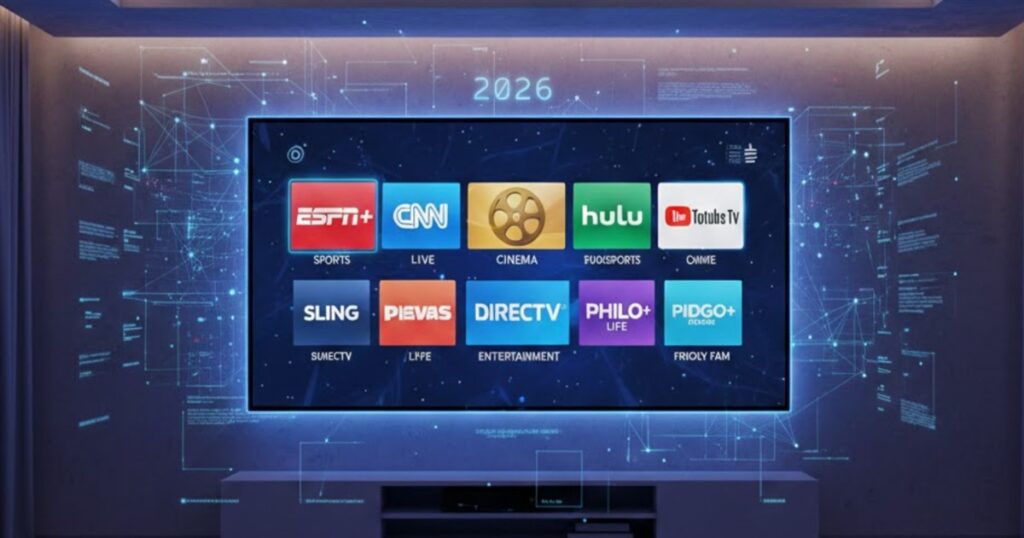
Internet Protocol Television (IPTV) has revolutionized how Americans consume television content. Unlike traditional cable or satellite services, IPTV delivers television programming through internet protocols, offering greater flexibility, often lower costs, and the ability to watch content across multiple devices. Whether you’re looking to cut the cord or simply explore alternatives to traditional cable, this guide covers the top IPTV providers serving American audiences.
What is IPTV?
IPTV transmits television content over internet protocol networks rather than through traditional terrestrial, satellite, or cable formats. This technology allows for live TV streaming, video on demand, and time-shifted media, all delivered through your internet connection. The result is a more customizable and often more affordable viewing experience.
Top 10 American IPTV Providers
1. YouTube TV
YouTube TV has emerged as one of the most popular IPTV services in the United States, offering a comprehensive channel lineup that rivals traditional cable packages. With over 100 channels including major networks like ABC, CBS, NBC, and FOX, plus cable favorites like ESPN, CNN, and HGTV, YouTube TV provides extensive coverage for news, sports, and entertainment.
The service includes unlimited cloud DVR storage, allowing you to record as many shows as you want and keep them for up to nine months. YouTube TV supports up to three concurrent streams, making it ideal for families. The interface is intuitive and user-friendly, with excellent search functionality and personalized recommendations.
Best for: Families and sports fans who want a complete cable replacement with unlimited DVR.
2. Hulu + Live TV
Hulu combines its extensive on-demand library with live television, creating a powerful two-in-one entertainment solution. The service offers 90+ live channels including major broadcast networks, sports channels, and cable networks. What sets Hulu apart is the inclusion of the entire Hulu streaming library, giving subscribers access to thousands of TV shows and movies on demand.
The service integrates seamlessly with Disney+ and ESPN+ through bundle options, providing exceptional value. Hulu + Live TV includes 50 hours of cloud DVR storage with the base plan, upgradable to unlimited storage. The platform supports multiple user profiles and offers personalized recommendations based on viewing habits.
Best for: Viewers who want both live TV and a robust on-demand library in one subscription.
3. Sling TV
Sling TV pioneered the American IPTV market and remains one of the most flexible and affordable options available. The service uses a unique approach with two base packages: Sling Orange and Sling Blue, each priced affordably and offering different channel lineups. Subscribers can choose one package or combine both for a more comprehensive selection.
What makes Sling TV particularly appealing is its customization options. You can add channel packages based on your interests, from sports and news to lifestyle and international programming. This à la carte approach means you only pay for what you want to watch. Sling TV includes 50 hours of cloud DVR storage, and the service works across virtually all streaming devices.
Best for: Budget-conscious viewers who want to customize their channel lineup.
4. FuboTV
FuboTV started as a sports-focused streaming service and has evolved into a comprehensive IPTV provider with particular strength in sports programming. The service offers 180+ channels in its top tier, including extensive sports coverage with channels like NFL Network, NBA TV, MLB Network, and regional sports networks that many competitors don’t carry.
Beyond sports, FuboTV provides strong general entertainment and news programming. The service includes unlimited cloud DVR storage and supports up to 10 simultaneous streams on the home network. FuboTV also offers 4K streaming for select content, providing superior picture quality for compatible devices.
Best for: Sports enthusiasts who want comprehensive coverage of professional and college sports.
5. DIRECTV STREAM
DIRECTV STREAM (formerly AT&T TV) brings the traditional DIRECTV experience to internet streaming. The service offers extensive channel lineups ranging from 75+ channels in the basic tier to 140+ channels in premium packages. DIRECTV STREAM includes regional sports networks in many markets, making it attractive for local sports fans.
The service provides unlimited cloud DVR storage and supports up to 20 simultaneous streams on the home network. DIRECTV STREAM also offers a unique feature allowing subscribers to watch on three devices simultaneously when away from home. The interface is polished and familiar to former cable subscribers, easing the transition to streaming.
Best for: Those seeking a traditional cable-like experience with extensive channel options and strong regional sports coverage.
6. Philo
Philo stands out as one of the most affordable IPTV options while still offering a solid channel lineup of 70+ networks. The service focuses on entertainment and lifestyle programming, including channels like AMC, Discovery, HGTV, Food Network, Comedy Central, and Nickelodeon. However, Philo doesn’t include sports or local broadcast channels, which keeps its price point low.
The service offers unlimited DVR storage and supports up to three simultaneous streams. Philo’s interface is clean and straightforward, making it easy to find and watch your favorite shows. The service also allows you to save shows and movies to watch later, creating a personalized content library.
Best for: Entertainment-focused viewers who don’t need sports or local channels and want the lowest possible price.
7. Vidgo
Vidgo is a growing IPTV service that offers competitive pricing with solid channel selections across multiple tiers. The service provides 150+ channels in its top tier, including strong sports and Spanish-language programming. Vidgo includes popular networks like ESPN, Fox Sports, beIN Sports, and numerous entertainment channels.
One unique aspect of Vidgo is its emphasis on family-friendly content and international programming. The service supports up to three concurrent streams and offers a user-friendly interface across multiple devices. While Vidgo’s DVR features are more limited compared to some competitors, the service continues to expand its capabilities.
Best for: Viewers seeking affordable access to sports and diverse programming including Spanish-language content.
8. Frndly TV
Frndly TV carves out a niche by focusing exclusively on family-friendly entertainment at an exceptionally low price point. The service offers about 40 channels including Hallmark Channel, Hallmark Movies & Mysteries, Game Show Network, The Weather Channel, and various other wholesome entertainment options.
Despite its budget-friendly pricing, Frndly TV includes unlimited DVR storage and supports multiple simultaneous streams depending on the plan tier. The service is particularly popular with viewers who enjoy Hallmark content, as it provides access to all Hallmark channels at a fraction of the cost of larger IPTV services.
Best for: Families wanting wholesome entertainment and Hallmark channel enthusiasts.
9. Paramount+ with SHOWTIME
While primarily known as an on-demand streaming service, Paramount+ offers live TV streaming including local CBS stations in many markets, making it a hybrid IPTV option. The service combines live CBS programming with an extensive on-demand library including original series, movies, and classic TV shows from the ViacomCBS library.
Paramount+ with SHOWTIME includes all SHOWTIME programming both live and on-demand, providing premium content alongside mainstream offerings. The service supports multiple user profiles and simultaneous streams, though specific limits depend on the subscription tier. The platform works across all major streaming devices and offers both live and on-demand options for most content.
Best for: CBS fans and those wanting premium SHOWTIME content alongside a robust on-demand library.
10. Xumo Play
Xumo Play (formerly Xumo) represents the free IPTV option, offering 350+ channels of live streaming content without requiring a subscription. The service includes a mix of live news, sports, movies, and entertainment through ad-supported streaming. While you won’t find major cable networks, Xumo offers alternatives including curated content channels and news networks.
The completely free nature of Xumo makes it an attractive option for supplementing other streaming services or for viewers on extremely tight budgets. The service requires no credit card, no account creation in some cases, and provides instant access to live content. Xumo is particularly strong in news coverage and classic TV programming.
Best for: Budget-conscious viewers willing to watch ad-supported content and those wanting a free supplement to paid services.
Key Factors to Consider When Choosing an IPTV Provider
Channel Selection
Evaluate which channels are most important to you and your household. If you’re a sports fan, ensure your provider includes the specific sports networks and regional sports channels you need. News junkies should verify access to their preferred news channels. Families should check for children’s programming and entertainment options.
Price and Value
IPTV services range from free to premium pricing comparable to traditional cable. Consider not just the base price but also the value provided, including the number of channels, DVR capabilities, simultaneous streams, and any additional fees. Many services offer promotional pricing for new subscribers, so check both introductory and regular rates.
DVR and Recording Features
Cloud DVR functionality varies significantly between providers. Consider how much storage you need, how long recordings are kept, and whether there are any restrictions on what can be recorded. Unlimited DVR is ideal for heavy TV watchers, while lighter viewers might be satisfied with limited storage.
Streaming Quality and Reliability
Internet-based services depend on your connection speed and reliability. Most IPTV providers require at least 25 Mbps for optimal HD streaming, with 4K content requiring faster speeds. Research user reviews regarding buffering issues, outages, and overall streaming reliability for providers you’re considering.
Device Compatibility
Ensure your chosen service works with your existing devices. Most IPTV providers support major platforms including Roku, Amazon Fire TV, Apple TV, Android TV, and smart TVs, but specific device support can vary. Also consider how many devices you want to use simultaneously.
Contract Terms
Many IPTV services offer month-to-month subscriptions with no long-term contracts, providing flexibility that traditional cable can’t match. However, some providers may offer discounts for longer commitments. Read the terms carefully to understand cancellation policies and any potential fees.
The Future of IPTV in America
The IPTV market continues to evolve rapidly, with providers constantly adding features, adjusting pricing, and expanding content offerings. Recent trends include increased integration between live TV and on-demand content, improved personalization through AI-driven recommendations, and enhanced picture quality with 4K and HDR support becoming more common.
As 5G networks expand and internet infrastructure improves, IPTV services will likely become even more reliable and accessible. We’re also seeing increased consolidation in the streaming market, with providers bundling services and creating more comprehensive entertainment ecosystems.
The shift from traditional cable to IPTV represents more than just a change in delivery method. It reflects a broader transformation in how Americans consume television, with viewers demanding more flexibility, control, and value from their entertainment services.
Conclusion
Choosing the right IPTV provider depends on your specific needs, budget, and viewing preferences. YouTube TV and Hulu + Live TV offer the most comprehensive cable replacement experiences with extensive channel lineups and robust features. Sling TV and Philo provide affordable options with good customization or focused content. FuboTV dominates in sports coverage, while DIRECTV STREAM appeals to those wanting a traditional TV experience through streaming.
For budget-conscious viewers, options like Frndly TV and Xumo Play prove that quality IPTV doesn’t have to be expensive. Meanwhile, services like Paramount+ demonstrate how the line between traditional IPTV and streaming services continues to blur.
The good news is that most IPTV providers offer free trials, allowing you to test services before committing. Take advantage of these trials to experience the interface, check streaming quality on your devices, and verify that your must-have channels are included. With no long-term contracts required by most services, you have the freedom to switch providers if your needs change.
The era of being locked into expensive cable contracts is ending. IPTV services provide Americans with unprecedented choice, flexibility, and value in television entertainment. Whether you’re a sports fanatic, news junkie, entertainment enthusiast, or budget-conscious viewer, there’s an IPTV solution tailored to your needs in 2026.
Frequently Asked Questions (FAQs)
What is the difference between IPTV and regular streaming services?
IPTV (Internet Protocol Television) delivers live television programming over the internet, similar to traditional cable or satellite TV but through your internet connection. Regular streaming services like Netflix or Disney+ primarily offer on-demand content libraries. IPTV services provide scheduled live broadcasts, including news, sports, and network programming, often with DVR capabilities to record shows. Many modern services blur this line by offering both live TV and on-demand content.
Do I need special equipment for IPTV?
No special equipment is required beyond what most households already have. You need a reliable internet connection (typically at least 25 Mbps for HD streaming), a compatible device (smart TV, streaming stick like Roku or Fire TV, gaming console, smartphone, tablet, or computer), and a subscription to an IPTV service. Unlike traditional cable, there’s no need for special set-top boxes or satellite dishes, though some providers offer optional streaming devices.
How much internet speed do I need for IPTV?
For standard definition streaming, you need at least 3-4 Mbps. HD streaming requires 5-8 Mbps per stream, while 4K content needs 25 Mbps or more. If multiple people in your household will stream simultaneously, multiply these requirements accordingly. For example, a family with three people watching HD content simultaneously should have at least 25-30 Mbps. Most providers recommend 50 Mbps or higher for optimal performance with multiple devices.
Can I watch IPTV on multiple devices at the same time?
Yes, but the number of simultaneous streams allowed varies by provider. Most services allow 2-3 concurrent streams, while some like DIRECTV STREAM offer up to 20 streams on your home network. Check your provider’s specific limitations, as this is an important consideration for families or households with multiple viewers. Some services charge extra for additional concurrent streams.
Is IPTV legal in the United States?
Yes, legitimate IPTV services like those listed in this article are completely legal. These are licensed services that have proper agreements with content providers and networks. However, be cautious of unlicensed IPTV services that offer suspiciously cheap access to premium content, as these may be illegal and could expose you to legal risks, malware, or poor service quality. Stick with reputable, well-known providers.
Will IPTV work if my internet goes down?
No, IPTV services require an active internet connection to function. Unlike traditional cable or satellite TV that use separate infrastructure, IPTV is entirely dependent on your internet service. This is why having a reliable internet connection is crucial. If your internet frequently experiences outages, IPTV may not be the best solution for you, or you should consider upgrading your internet service.
Can I get local channels with IPTV?
Most major IPTV providers offer local channels (ABC, CBS, NBC, FOX) in many markets, but availability varies by location. Services like YouTube TV, Hulu + Live TV, and DIRECTV STREAM typically provide local channels in most major cities. However, some budget services like Philo don’t include local broadcasts. You can supplement any service with a digital antenna to receive free over-the-air local channels in HD.
Do IPTV services have contracts or cancellation fees?
Most IPTV services operate on a month-to-month basis with no long-term contracts or cancellation fees, which is a major advantage over traditional cable. You can typically cancel at any time without penalty. However, always read the terms of service before subscribing, as policies can change and some promotional offers might have specific requirements.
Can I record shows with IPTV?
Yes, most IPTV services include cloud DVR functionality, allowing you to record shows and watch them later. Storage capacity varies significantly between providers. Some offer unlimited storage (YouTube TV, FuboTV), while others provide limited hours (typically 50 hours with options to upgrade). Recordings are stored in the cloud, so you can access them from any device. Check how long recordings are kept, as this ranges from 30 days to nine months or more.
How does IPTV pricing compare to cable TV?
IPTV services are generally more affordable than traditional cable, with base packages starting as low as $7-$10 per month for basic services and ranging up to $80-$100 for premium packages with extensive channel lineups. Traditional cable often costs $100-$200 per month after promotional periods end. IPTV also eliminates equipment rental fees, installation charges, and regional sports fees that cable companies typically add. However, comprehensive IPTV packages with all the bells and whistles can approach cable pricing.
What happens if I move to a different state or city?
Most IPTV services work nationwide, but your available local channels may change based on your location. Services typically use your IP address or device location to determine which local channels to provide. If you move, you’ll generally receive the local channels for your new area. Some services may have blackout restrictions for certain sports programming based on your location.
Can I use a VPN with IPTV services?
Most legitimate IPTV providers’ terms of service prohibit VPN use because they need to verify your location for licensing reasons, particularly for local channels and sports programming. Using a VPN may result in streaming errors, blocked access, or account termination. VPNs are generally only necessary for unlicensed services, which you should avoid.
Do IPTV services offer 4K content?
Some IPTV providers offer select content in 4K resolution, but it’s not yet universal. FuboTV and YouTube TV offer certain live sports and events in 4K. However, most live TV content is still broadcast in HD (1080p or 720p). As 4K becomes more standard, expect more providers to offer this feature. Keep in mind that 4K streaming requires faster internet speeds (25+ Mbps) and compatible devices.
What’s the best IPTV service for cord-cutters?
The best service depends on your priorities. YouTube TV and Hulu + Live TV are excellent all-around choices for complete cable replacement. Sling TV is best for budget-conscious viewers who want customization. FuboTV is ideal for sports fans. If you primarily watch entertainment and lifestyle content without sports, Philo offers great value. Consider which channels you watch most, your budget, and how many people will be streaming simultaneously.
Can I share my IPTV subscription with family or friends?
Policies vary by provider. Most services allow sharing within your household and may define this as your home network. Some providers are more lenient about out-of-home streaming, while others strictly limit streaming to a single location. Sharing account credentials with people outside your household typically violates terms of service and could result in account suspension. Always review your provider’s sharing policy before sharing access.